Choosing the Right Logo Application for Bulk Safety Apparel
When procuring custom high-visibility safety vests for distribution networks, corporate uniform programs, or large-scale industrial projects, the logo application method is a critical technical decision. The branding on safety apparel must survive harsh environmental conditions, heavy abrasion, and frequent laundering without peeling, cracking, or fading. For most B2B OEM and private label orders, the decision comes down to screen print vs heat press.
Both methods are standard in safety apparel manufacturing, but they interact differently with fluorescent polyester substrates. Choosing the wrong method can lead to dye migration, premature logo degradation, or unnecessary production costs. This technical guide breaks down the mechanics, durability, and cost-efficiency of both methods to help procurement managers make informed decisions for bulk orders.
The Challenge of Printing on Hi-Vis Polyester: Dye Migration
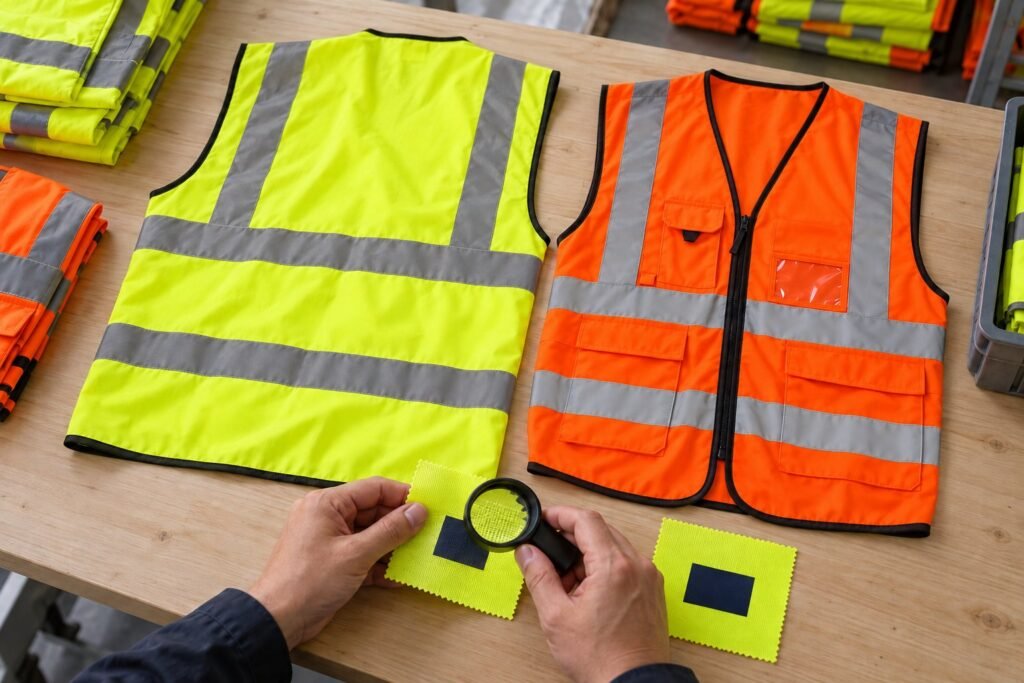
Before comparing the two printing methods, it is essential to understand the substrate. Custom hi vis vests are almost exclusively made from 100% polyester, either in a solid knit or a breathable mesh. To achieve the high-visibility colors required by ANSI/ISEA 107 and EN ISO 20471 standards, the polyester is dyed with intense fluorescent yellow, orange, or red disperse dyes.
Polyester dyes are prone to a phenomenon called dye migration (or sublimation bleeding). When the fabric is exposed to high temperatures during the logo application process, the dyes in the fabric can convert back into a gas and migrate into the logo ink. If you have ever seen a crisp white logo turn a muddy yellowish-green or pinkish-orange a few days after printing, dye migration is the cause.
Both screen printing and heat pressing require heat to cure or bond the logo to the vest. Therefore, a competent factory must use specific blockers—such as a grey or black carbon base layer in screen printing, or a sub-blocker adhesive in heat transfers—to prevent the fluorescent vest color from bleeding into the logo. The method you choose will dictate how this technical challenge is managed on the production line.
What is Screen Printing for Hi Vis Vests?
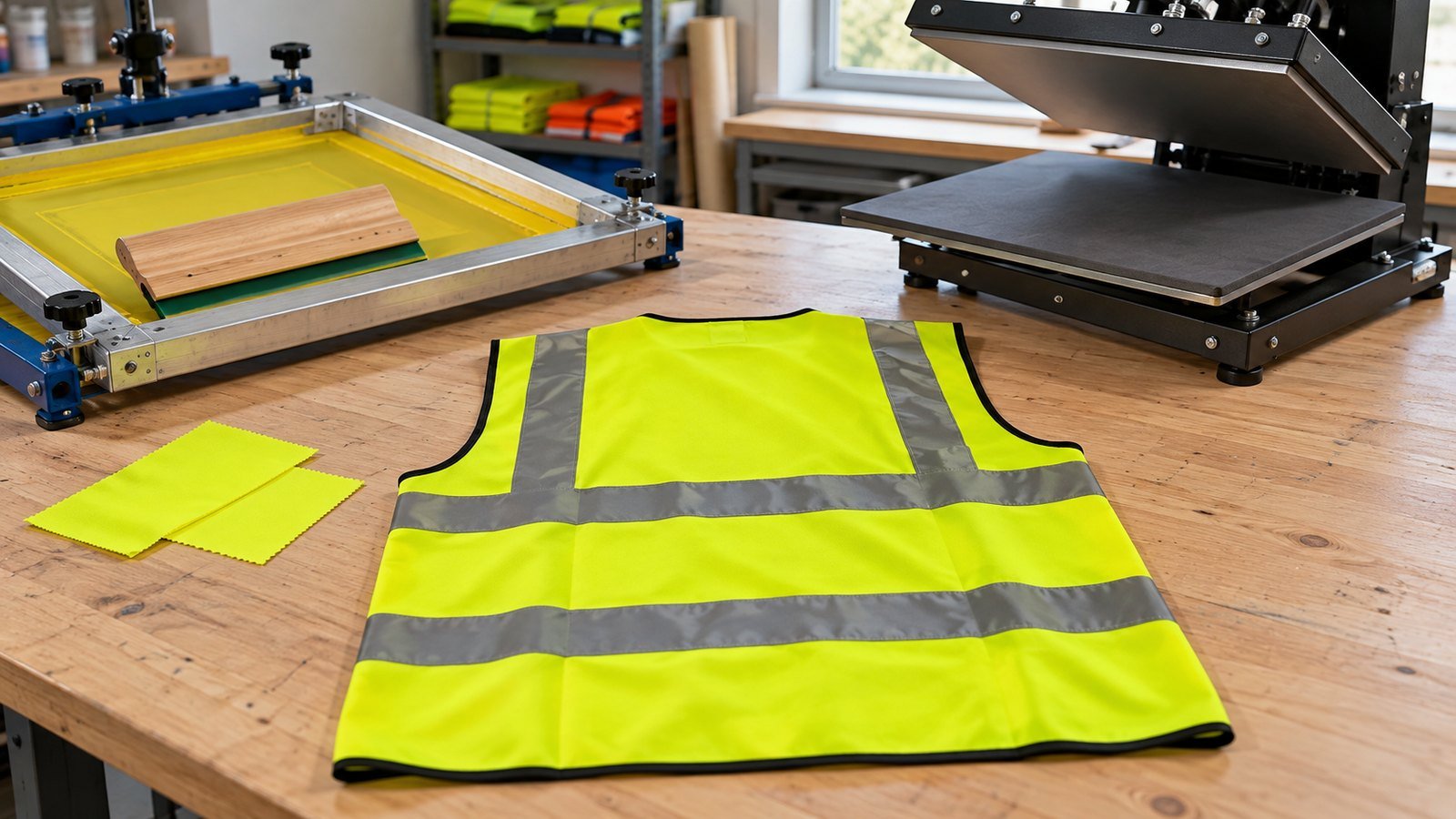
Screen printing is a traditional, highly reliable method where liquid ink is pushed through a woven mesh stencil directly onto the vest fabric. For multi-color logos, a separate screen is created for each color, and the vest is passed through multiple printing stations. After the ink is applied, the vest is sent through a conveyor dryer to cure the ink, bonding it permanently to the polyester fibers.
Advantages of Screen Printing
- Exceptional Durability: Because the ink physically bonds with the polyester fibers, screen-printed logos are highly resistant to cracking and peeling, even under heavy abrasion.
- Cost-Effective at Scale: Once the screens are burned and the machines are calibrated, the actual printing process is very fast. This makes the per-unit cost incredibly low for high-volume bulk orders.
- Soft Hand Feel: Screen printing, especially with water-based or high-quality plastisol inks, leaves a relatively thin layer of ink on the garment. The logo flexes naturally with the vest.
Limitations of Screen Printing
- High Setup Costs: Creating a unique screen for every color in a logo requires time and materials. It is not cost-effective for small batch orders.
- Color Limitations: While spot colors can be matched precisely, recreating complex photographic gradients or highly detailed, multi-colored crests is difficult and expensive with traditional screen printing.
What is Heat Press (Heat Transfer) for Hi Vis Vests?
Heat press, often referred to as heat transfer printing, involves printing a logo onto a special carrier paper or vinyl film. This pre-printed transfer is then placed onto the vest, and an industrial heat press machine applies high temperature (typically between 150°C and 160°C) and heavy pressure for a set time (usually 10 to 15 seconds) to melt the adhesive backing and bond the logo to the fabric.
Advantages of Heat Press
- Complex Designs and Unlimited Colors: Heat transfers are often produced using digital printers. This means complex gradients, fine details, and multi-color corporate logos can be reproduced with perfect clarity.
- Variable Data Printing: If a uniform company needs individual worker names or specific department numbers on each vest, heat press is the only viable option, as creating a new screen for every name is impossible.
- Clean Edges: Heat transfers provide exceptionally sharp, clean edges, which can look highly professional on premium surveyor vests.
Limitations of Heat Press
- Thicker Hand Feel: Heat transfers sit on top of the fabric like a patch. On lightweight safety vests, a large heat-pressed logo can feel stiff and reduce the breathability of the garment in that specific area.
- Risk of Peeling: If the factory does not calibrate the time, temperature, and pressure correctly, or uses inferior adhesive, the edges of a heat transfer can begin to peel after repeated industrial washing.
- Slower Production for Bulk: Because each vest must be manually loaded onto a press and held under heat for several seconds, the per-unit production time is slower than automated screen printing.
Screen Print vs Heat Press: Key Comparison Factors
When advising our B2B clients on the best logo method, we evaluate their specific order requirements against several technical factors.
1. Fabric Compatibility: Mesh vs Solid
Custom hi vis vests are generally available in solid tricot fabric or breathable birdseye/warp-knit mesh. As detailed in our article Mesh vs Solid Fabric Custom Hi Vis Vests: Comfort, Print Quality and Durability, the fabric type heavily influences print quality.
Solid Fabric: Both screen print and heat press perform flawlessly on solid polyester. The flat surface provides an excellent bonding area for both ink and adhesives.
Mesh Fabric: Screen printing on mesh requires careful technique to ensure the ink does not simply push through the holes and glue the front and back of the vest together. However, once applied properly, it looks great. Heat pressing on mesh can be tricky; the high pressure can sometimes flatten the mesh fibers, leaving a visible, shiny “press box” around the logo. Furthermore, the adhesive has less surface area to grip onto, which can slightly reduce the lifespan of the transfer.
2. Washability and Longevity
Safety apparel is subjected to dirt, oil, and sweat, requiring frequent washing. High-visibility standards often test reflective tape for 25 to 50 wash cycles. The logo must keep pace.
Screen-printed logos generally withstand industrial laundering better than heat transfers. The physical bond of the cured ink resists high wash temperatures. Heat transfers rely on adhesives that can soften and degrade if washed at temperatures exceeding the adhesive’s thermal limits. For heavy-duty construction environments, screen printing is usually the safer bet for longevity.
3. Cost Efficiency for Bulk Buyers
Cost is a primary driver for procurement managers. As we cover in What Drives the Price of Custom Hi Vis Vests? 9 Cost Factors for Bulk Buyers, the printing method directly impacts your final invoice.
- If you are ordering thousands of vests with a simple 1-color or 2-color logo (e.g., a black company name on the back), screen printing is vastly more economical. The setup cost is amortized across the large volume, resulting in a very low cost per vest.
- If you are ordering a smaller batch of highly customized surveyor vests with a 6-color corporate crest, heat press is more economical because you bypass the steep setup costs of burning six different screens.
4. Compliance with Safety Standards
Whether you choose screen print or heat press, you must consider how the logo affects the vest’s safety certification. ANSI/ISEA 107 and EN ISO 20471 strictly mandate the minimum square area of fluorescent background material.
Applying a massive, opaque logo to the back of a vest covers up the fluorescent fabric. If the logo is too large, the vest may fall below the minimum required background area, rendering it non-compliant. Because heat transfers are completely solid blocks (even the negative space is often filled with clear adhesive), they block more background material than a screen-printed logo, where the negative space allows the vest fabric to show through. For more details on this, refer to our guide: Does a Logo Make a Custom Hi Vis Vest Non-Compliant? ANSI & EN ISO 20471 Rules.
Summary Comparison Table
| Feature | Screen Print | Heat Press (Transfer) |
|---|---|---|
| Best For | Large bulk orders, 1-3 color logos | Multi-color designs, variable data (names) |
| Durability | Excellent; ink bonds to fibers | Good; relies on adhesive bonding |
| Setup Cost | High (requires screens per color) | Low (digital printing process) |
| Per-Unit Cost (Bulk) | Very Low | Moderate to High |
| Hand Feel | Soft, flexes with fabric | Thicker, sits on top of fabric |
| Dye Migration Risk | Managed with blocker base inks | Managed with sub-blocker adhesives |
Manufacturing Your Custom Vests with Yolite
With over 20 years of experience in reflective safety apparel, Yolite understands the precise engineering required to produce durable, compliant custom hi vis vests. As a factory-direct manufacturer, we provide OEM and private label services for US and EU PPE distributors, uniform companies, and safety wholesalers.
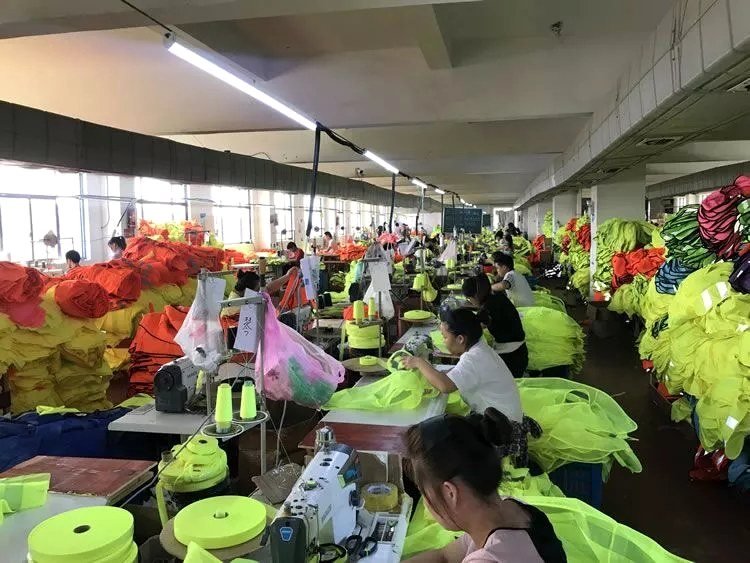
Our production facilities are BSCI audited, and we hold EN ISO 20471 and EN 17353 certificates. Whether you need lightweight mesh vests with hook-and-loop closures, breakaway styles, or heavy-duty surveyor vests with zippers and multiple pockets, we can manufacture to your exact specifications.
When you place an order with Yolite, our engineering team will review your logo artwork, fabric choice, and order volume to recommend the most reliable and cost-effective printing method—be it screen print or heat transfer. Because our MOQ, lead times, and pricing depend entirely on your specific design and order structure, we invite you to contact us directly to discuss your requirements and request a customized quote.
FAQ
Can I use both screen print and heat press on the same custom hi vis vest?
Yes. It is common in uniform programs to screen print a large, single-color corporate logo on the back of the vest for cost efficiency, and use a heat press to apply individual worker names or highly detailed, multi-color department badges on the front chest.
Will heat pressing melt polyester mesh safety vests?
Standard 100% polyester mesh can withstand the heat required for transfers (usually around 150°C) for short durations. However, if the factory uses excessive pressure or leaves the press down too long, the mesh fibers can flatten, warp, or melt. This is why working with an experienced safety apparel manufacturer is crucial.
Which method is better for applying reflective logos?
Reflective logos can be applied using both methods. Reflective screen printing ink contains microscopic glass beads that reflect light. However, heat-pressed reflective segmented tape or reflective transfer vinyl generally offers a much higher coefficient of retroreflection (brightness) and is preferred if the logo is intended to contribute to the garment’s low-light visibility.
How do I get a quote for bulk custom logo vests?
Because pricing, MOQ, and lead times depend on your choice of vest style (mesh vs solid, surveyor vs basic), the complexity of your logo, the printing method, and the total volume, we provide custom quotes for every project. Contact the Yolite export team with your tech pack or basic requirements, and we will provide a detailed breakdown.