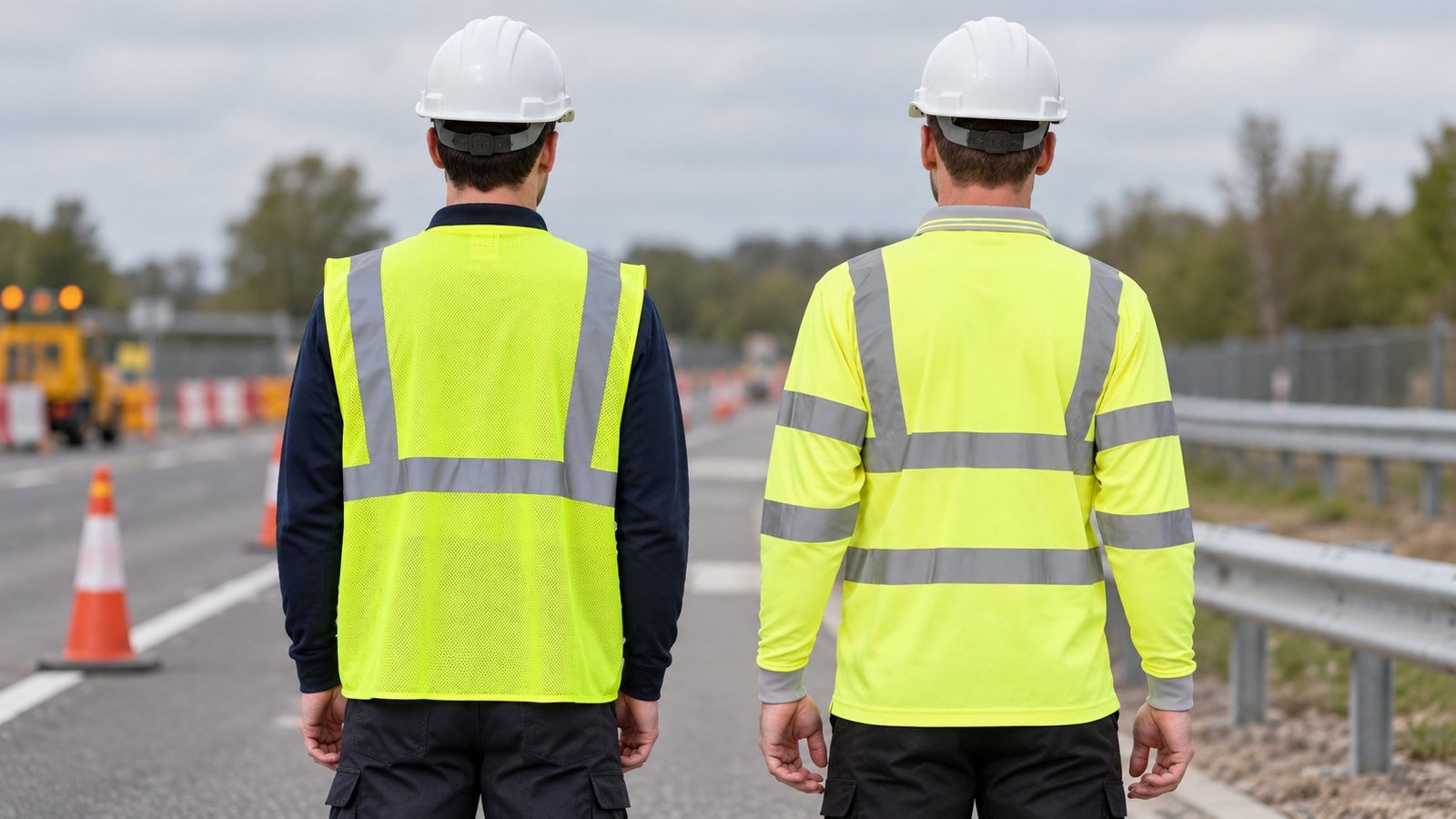
Short answer: a sleeveless custom hi vis vest can be built to Class 2, but not Class 3. ANSI/ISEA 107-2020 and EN ISO 20471 both require Class 3 garments to have sleeves (or full-length legs) carrying retroreflective bands. If your crews need Class 3, use a sleeved hi vis shirt or jacket, or under ANSI combine a Class 2 vest with Class E trousers or shorts to form a Class 3 ensemble.
Class 2 vs Class 3 at a glance
| Class 2 | Class 3 | |
|---|---|---|
| ANSI background area | 775 in² (0.50 m²) | 1,240 in² (0.80 m²) |
| ANSI retroreflective area | 201 in² (0.13 m²) | 310 in² (0.20 m²) |
| EN ISO 20471 background / reflective | 0.50 m² / 0.13 m² | 0.80 m² / 0.20 m² |
| Sleeves required | No | Yes (or full-length legs) |
| Typical garment | Vest, T-shirt | Jacket, sleeved shirt, coverall |
| Can a vest do it? | Yes | No, only as part of an ensemble |
Why a vest stops at Class 2
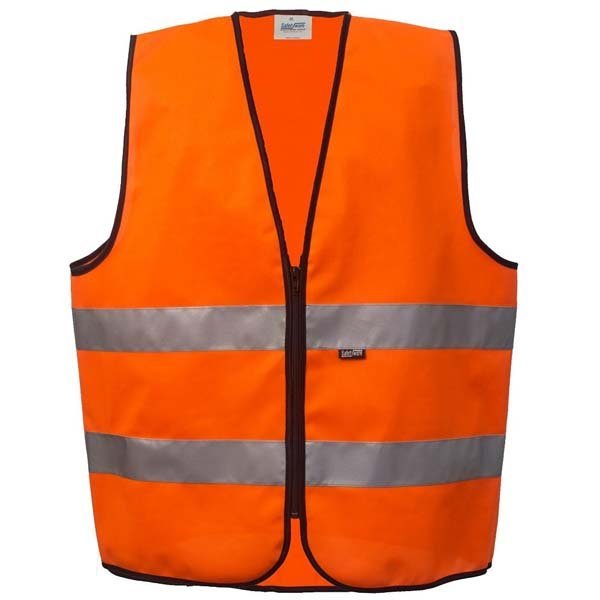
Class 3 is designed to show the human form, so the wearer’s arms (and in some designs legs) carry reflective bands that move and outline the body at night. A vest has no sleeves, so it cannot meet that requirement, however much fluorescent fabric it has. Some “Class 3 vests” sold online are actually sleeved vests or tees; check the label for the standard and class rather than the product name.
When is Class 3 needed?
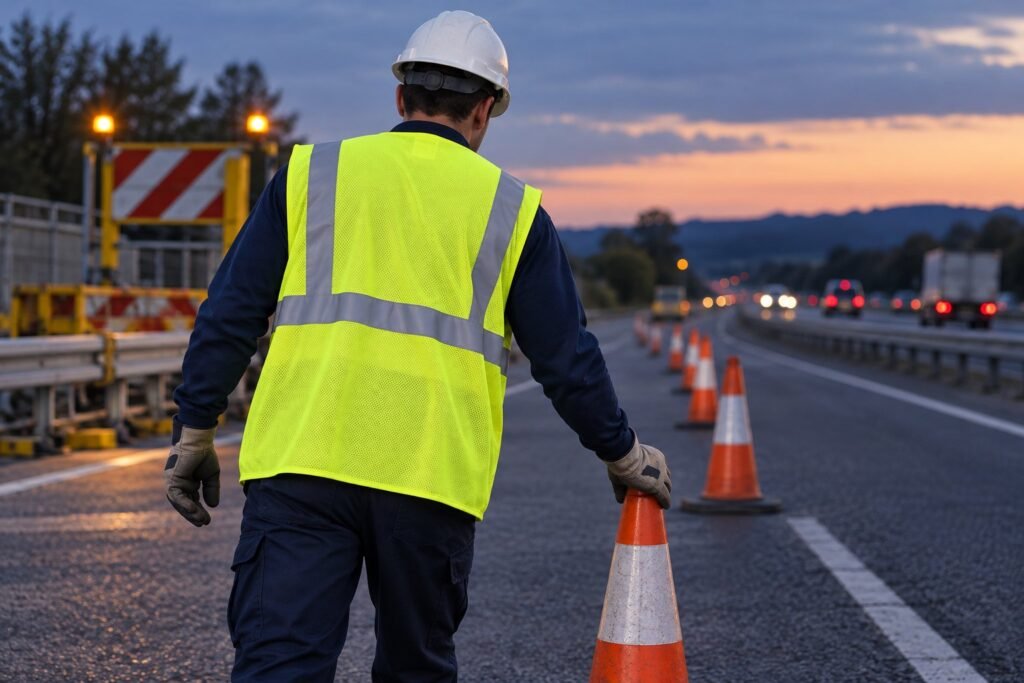
The class is set by your risk assessment, local regulation or the site owner, not by the vest supplier. Typical triggers for Class 3 are:
- Work next to traffic moving at higher speeds.
- Night work and poor weather.
- Complex backgrounds where a worker must be seen at a greater distance.
- Flaggers at night: the US MUTCD advises considering ANSI Class 3 apparel for nighttime flagger activity.
In the USA, 23 CFR 634 requires workers on federal-aid highways who are exposed to traffic or construction equipment to wear ANSI/ISEA 107 Class 2 or Class 3, so Class 2 custom vests are common for road crews, with Class 3 used where the risk is higher.
Ways to reach Class 3
- Sleeved hi vis shirt or jacket built to Class 3, with your logo, worn instead of the vest.
- ANSI ensemble: Class 2 vest + Class E trousers, shorts or bib overalls. ANSI/ISEA 107 recognises this combination as Class 3 when worn together.
- Sleeved vest design (a vest with sleeves is no longer really a vest, but some buyers prefer the look).
For most companies the practical answer is to keep the custom hi vis vest as the everyday Class 2 garment for all staff and issue Class 3 jackets or Class E trousers to the crews whose tasks need them.
What to specify when you order
- The standard, type and class: for example “ANSI/ISEA 107-2020 Type R Class 2” or “EN ISO 20471 Class 2”.
- Whether any staff need a Class 3 garment, so the logo and colour match across vest and jacket.
- Your size range, because the smallest size sets how big the logo can be without dropping below Class 2 (see logos and compliance).
Our vest styles page shows which base vests are usually built to Class 2, and the standards guide covers Type O, R and P.
FAQ
Is there such a thing as a Class 3 vest?
Not as a sleeveless vest. Under ANSI/ISEA 107-2020 and EN ISO 20471, Class 3 requires sleeves or full-length legs with reflective bands. Products sold as “Class 3 vests” are usually sleeved garments; check the label.
Is Class 2 enough for construction?
For many construction and logistics tasks Class 2 is the usual requirement, but the class is set by your risk assessment, the site owner or local rules. Work near fast traffic or at night may require Class 3.
What is ANSI Class E?
Class E covers hi-vis trousers, shorts and bib overalls. They are not compliant on their own, but a Class E item worn with a Class 2 or Class 3 top forms a Class 3 ensemble.
Can my logo go on a Class 3 jacket too?
Yes. We can match the logo, colour and method across custom vests and Class 3 jackets so the whole crew looks consistent.
Sources and scope
Areas from ANSI/ISEA 107-2020 and EN ISO 20471:2013+A1:2016. US references: 23 CFR 634 and the MUTCD Part 6 guidance on flagger apparel. Not legal advice; confirm the class required for your work with your safety manager or authority.